Scotland, Wales & England’s Southwest Coast
Three Literary Locations to Inspire Your Next Visit to the UK
If you’ve got kids (or friends on social media with kids), you’re probably aware that it was World Book Day this week. And as a former literature teacher, seeing photos of friends’ children dressed as their favourite author or literary character is something I always enjoy. This year, having picked up Hemingway’s Moveable Feast to re-read on the run up to a few days in Paris, I started thinking about the locations I’d consider if I was creating a trip for the literature lovers among us.
Everywhere, is the short answer. There’s a probably not county in the British Isles alone that isn’t home to someone who’s contributed something to the literary canon. But in the interest of time and editing, I’ve started off with a handful areas that have a lot to offer the readers and non-readers among us — areas that aren’t always top of the list for those traveling across the pond.
Before we dive in, an editorial note: First, Scotland (even though I’ve mentioned Edinburgh), Ireland, and pretty much every country in Europe deserve their own articles. So does London. So consider this chapter one - and we’ll come back to the others later. Meanwhile, here’s an inconclusive andnot at all exhaustive list of a few places to inspire - and be inspired by - for your next visit to the UK.
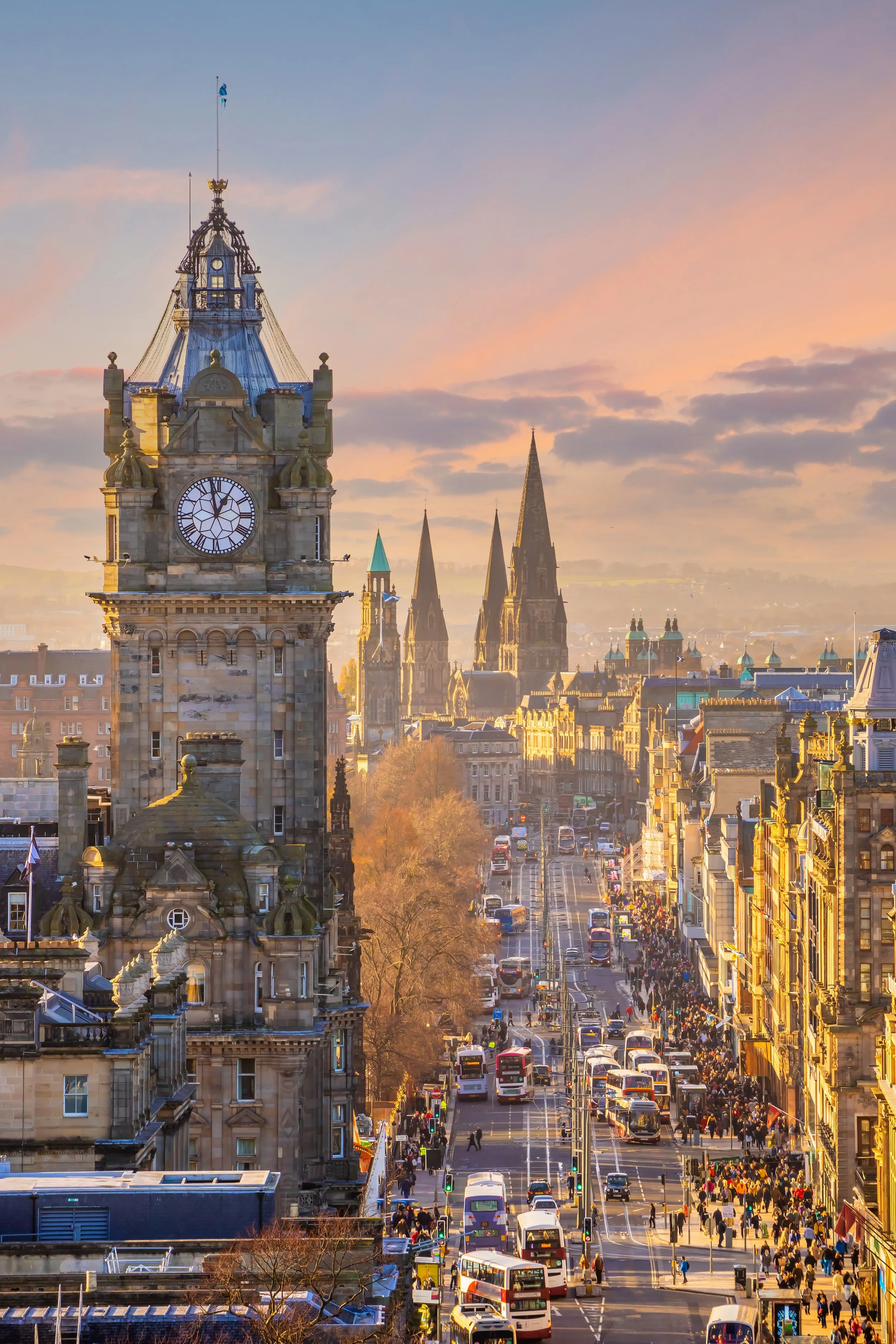
Explore Edinburgh
Edinburgh authors: Robert Burns, Robert Louis Stevenson, J.M. Barrie, Sir Walter Scott, Arthur Conan Doyle, Muriel Spark, JK Rowling
What to read & watch: One Day, Trainspotting (filmed in nearby Leith), Harry Potter, Outlander
Don't miss: The small & quirky Writer's Museum, Edinburgh Castle, the Royal Mile, Holyrood Palace, Arthur's Seat, literary pub crawls
Best for: A romantic old city with cobblestone streets and winding passageways, the world’s best whisky and world-class art, theatre and literary festivals, independent bookshops and, of course, Harry Potter lovers.
From Robert Burns to Robert Louis Stevenson, JM Barrie (of Peter Pan fame) to the much-loved (and televised) Outlander series, to David Nicholls’ novel-to-Netflix hit One Day, Edinburgh’s literary history is so expansive that it was named the first UNESCO City of Literature. The birthplace of Sir Walter Scott, Sherlock author Arthur Conan Doyle, Muriel Spark, and JK Rowling, Edinburgh is also the site of the world’s first circulating library (a library that lent books out for a fee to subscribers).
Each August the city transforms into a giant party as the worlds of art, music, theatre and literature come together for the Edinburgh Book Festival and, concurrently, the Edinburgh Fringe —one of the biggest arts festivals on the planet with live performances, shows, readings, and concerts at every turn.
No matter if festivals aren’t your thing, keep Edinburgh on your list, not least because it’s also home to a plethora of independent bookshops, pubs with poetry readings (and literary pub crawls!), and cobblestone streets and passageways that have inspired everyone from Robert Louis Stevenson to Harry Potter’s wizards. Then there’s the Writer’s Museum, monuments to some of the authorial greats, the Royal Mile, Edinburgh Castle, Holyrood Palace, St. Mary’s Street and the Edinburgh Museum (the list goes on) — and if you’ve got any energy left, climb nearby Arthur’s Seat (mythologised as the site of King Arthur’s Camelot) for your own One Day moments and breathtaking views of the city.
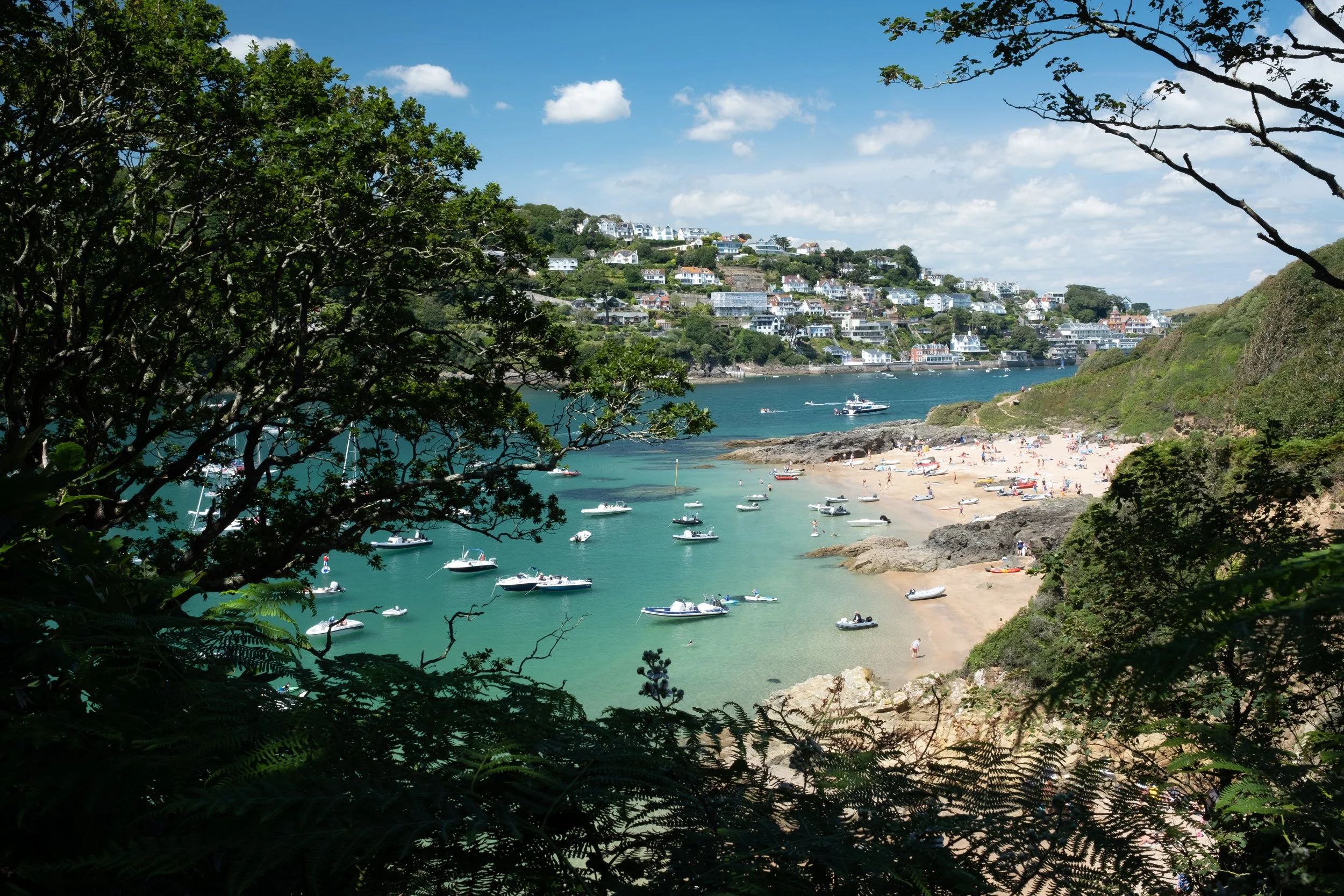
Discover Dorset, Devon & the Jurassic Coast
Notable authors: Thomas Hardy, Agatha Christy, John Fowles, Jane Austen, Ian McEwen, Clare Leslie Hall
What to read & watch: Broken Country, Tess of the D’Urbervilles, Persuasion, On Chesil Beach, French Lieutenant’s Woman, The Durrells, The Salt Path, Broadchurch, Wolf Hall, Ammonite.
Don’t miss: Lyme Regis, the quintessential English seaside town; Durdle Door & Lulworth Cove, Agatha Christie’s Burgh Island retreat, Hardy’s birthplace cottage, Chesil Beach, wild ponies on Dartmoor.
Best for: Walking & touring, windswept coastlines and clifftop towns, 1000-year old forts and castles, wide open landscapes, medieval towns.
If you’ve ever wondered what it’s like to stand on 185 years of geologic time, the Jurassic Coast is your ultimate destination. Spanning 95 miles of dramatic coastline along the Dorset and Devon coast in southern England, the Jurassic coast is a UNESCO World Heritage Site known for its abundance of fossils, rocks and land forms from the Mesozoic era.
From Thomas Hardy’s brooding landscapes to Jane Austen’s seaside sojourns in Lyme Regis or Agatha Christie’s clifftop towns, the sweeping cliffs and coastlines of Dorset and Devon have attracted and inspired generations of writers, including Oscar Wilde, John Fowles (French Lieutenant’s Woman) and Ian McEwan (On Chesil Beach).
Still known as “Hardy country,” Dorset’s rolling hills, castles and beaches served as “Wessex” in Hardy novels like Tess of the D’Urbervilles, Far from the Madding Crowd, and the Mayor of Casterbridge (with the county town of Dorchester standing in as Casterbridge). Meanwhile, Agatha Christie, who grew up in Torquay in neighbouring Devon, set much of her work along the Jurassic coastline and its clifftop towns, using a cottage on Burgh Island as a writing retreat. Sir Arthur Conan Doyle drew on the bleak landscape of Dartmoor for the Hound of the Baskervilles, one of Sherlock Holmes’s greatest adventures. And in the quintessential seaside town of Lyme Regis, readers of French Lieutenant’s Woman and Persuasion alike will recognise the famous Cobb harbour wall. Down on the Dorset coast, the iconic Durdle Door rock formation has also made its way into the pages of Ian McEwen’s On Chesil Beach.
For readers of contemporary fiction, the Reese Witherspoon’s recent book club pick Broken Country, set in Dorset and written by Dorset writer Clare Leslie Hall has just been optioned for film — with Hall’s next novel already promising to feature the Jurassic coast.
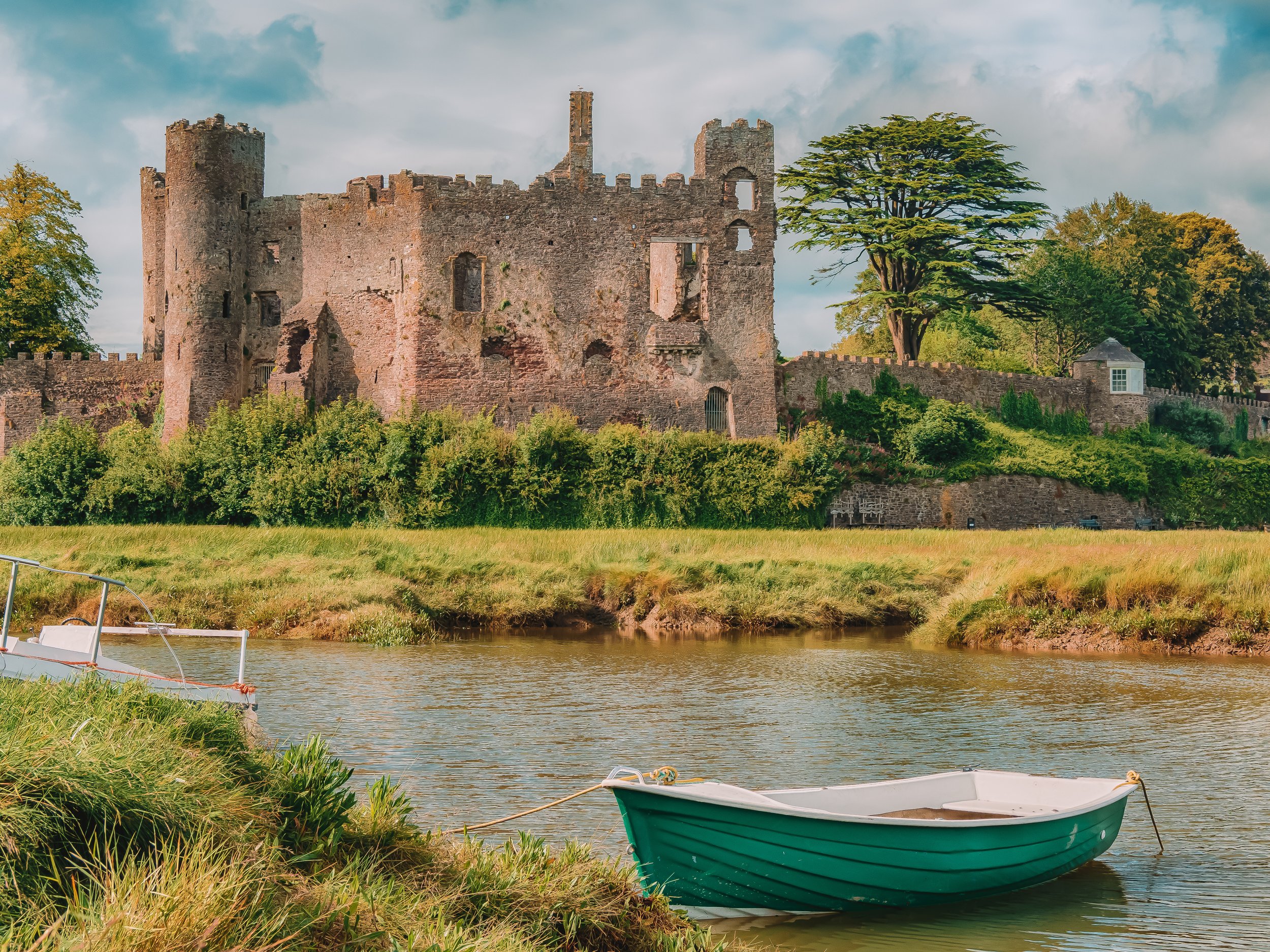
Roam through Wales
Notable authors: Edward Thomas, R. S. Thomas, Dylan Thomas, William Wordsworth
What to read & watch: Young Sherlock, Sex Education, The Crown, Under Salt Marsh
Don’t miss: Cardiff, the Welsh capitol and St. Fagans, the national living history museum; Laugharne, the Gower Peninsula, St. Davids (the UK’s smallest city!), the 12th century St. David’s Cathedral and the Pembrokeshire coast; Eryri (Mount Snowdon - one of the three highest peaks in the British Isles) and Snowdonia national park; Conwy castle and any of the more than 600 castles across this beautiful country.
Best for: Staying in a castle or a coastal fisherman’s cottage (or both). Climbers, hikers, cyclists and sea sports enthusiasts, tiny unspoiled villages unaffected by tourism, a chance to step off the beaten track, the warm welcome of a Welsh tea.
They say to be born Welsh is to be born with music in your blood and poetry in your soul. And from the bardic traditions of the ancient Celts to the lyrical genius of Dylan Thomas; Arthurian myths to the radical political poetry that emerged from the coalfields, Wales has one of Europe’s oldest and most distinct literary cultures. Even the language itself (Welsh is one of the world’s oldest living languages) has an unbroken poetic tradition stretching back over a thousand years, and the country’s poetry and music is a living institution celebrated each year at the National Eisteddfod festival.
Celebrated the world over for Under Milk Wood and some of the most musical poetry in the English language, the literary legacy of Dylan Thomas looms largerst. In Laugharne, Thomas’s home town on the Carmarthenshire coast, the poet’s writing shed (The Shed) is still perched above the Taf estuary. His simple grave in the churchyard draws pilgrims from around the world (the quaint town of Laugharne is thought to be the model for the fictional Llareggub in Under Milk Wood).
If you’re an affirmed bookworm, then Hay-on-Wye, on the border with England, is your dream destination. Arguably the most famous book town on earth, Hay-on-Wye is home to dozens of independent bookshops. Each May, it also plays home to the celebrated Hay Festival, an ‘anyone who’s anyone’ gathering of some of the world’s greatest literary talent. Further north, the dramatic landscapes of Snowdonia (Eryri) echo with Arthurian legend. The walled town of Caernarfon and the ruins of Tintern Abbey (which moved Wordsworth to pen what is widely considered one of his greatest poems, Lines Composed Above Tintern Abbey) are not to be missed.
And with more castles per square mile than any other country in Europe, plus beautiful beaches and breathtaking mountains, Wales richly rewards any traveler who is willing to roam this small, perfectly formed country.